Week 7
Gato Cafe

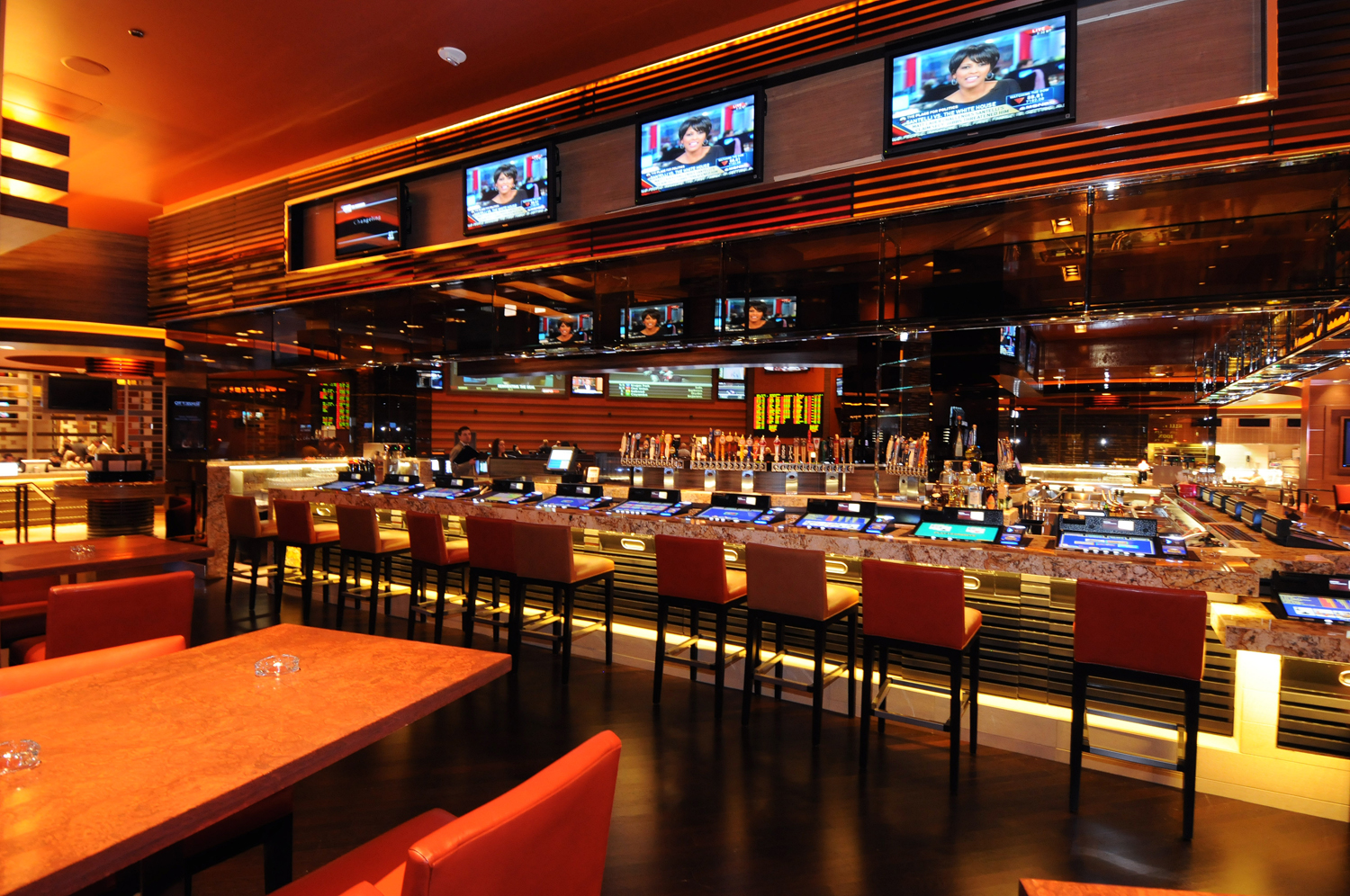
This week we talked about the Shark Tank episode on Gato Cafe. Gato Cafe is a business that wants to open store that serves coffee and prepackaged foods and also has cats around the store. The idea is that people enjoy cats and they would be able to relax and reduce stress by coming to this cafe with cats in it. They did not get a deal with any of the sharks and they do not own a store yet. I think this could be a good idea but I think it would struggle to have a large enough market. As we have learned in many chapters, it is essential to have a large target market and know that market. I do not think there would be enough people that would go out of their way to pay extra money for this Gato Cafe rather than just buying their coffee elsewhere. I think families with children would be their many target market. Kids would love to come to this cafe and their parents could bring them occasionally instead of buying a cat for their house. An example of a Gato Cafe can be found above.
Value Proposition Canvas

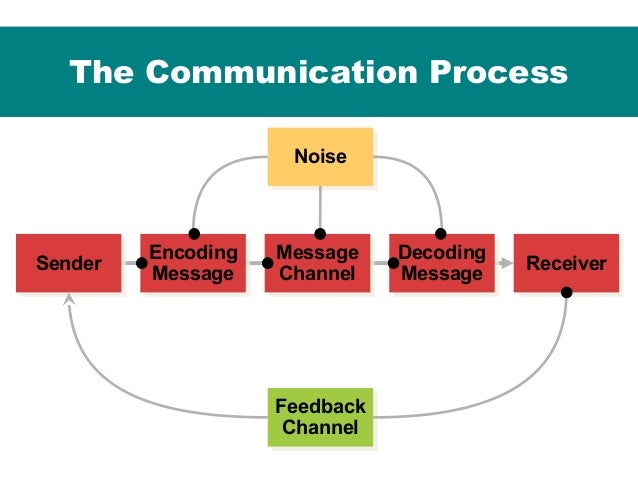
We also discussed what is called the value proposition canvas, in class this week. The value proposition canvas helps evaluate a product and see what it has to offer. It is meant to help us understand the gap found between product and customer and also between customer and your substitutes, or competitors. The value proposition canvas can be seen on the left. It helps to lay out the benefits, features, and experience of the product. It also shows us what the customer would want, fear, and need from this product. Lastly, it helps us to see who are competitors are, or substitutes.
Value Proposition Canvas for Gato Cafe
In class we also completed a value proposition canvas for Gato Cafe. It goes as follows:
Product
Benefits: Stress relief, solves issue of hunger or thirst, social gathering
Features: Food, drinks, cats
Experience: Relaxing with cats enjoying a drink or snack
Costumer
Wants: Relaxation, place to bring children who want a cat, stress relief, the experience, food or drink
Needs: Possibly emotion help or therapy
Fears: Allergies, sanitation, aggression in cats
Substitutes
Zoos, coffee shops, pet shops, relaxing places such as spas or resorts.
Conclusion
From this we can gather a lot about Gato Cafe
. We understand that there may be fears from customers that we need to address in order to limit these fears. We also would need to make ourselves stand out from any competition such as pet stores or other coffee shops. It can also help us to focus on our benefits and features and make sure we do the most we can with those benefits to create the best product.
Smart Project
We can also use the value proposition canvas to help us with our Smart Projects. This would be very helpful for us to visualize our benefits and features. It would also allow us to think as the customer and think of what fears they may have and want they would want or need from this product. We could also better understand our competitors and how to stand out from them and make our product our own.
 We did not have our regularly scheduled class on Tuesday. We had a meeting with Professor Spotts on Monday. The meeting was arranged in order to discuss our Smart Projects and the progress we have made. In our meeting we discovered that we were a bit behind in the process. We were a bit slow to collect our data because it was difficult for us given we are not 21. Our customer would most likely be bars or nightclubs. We are not able to survey bars or nightclubs on our own. So, we had difficulty working with our marketing consulting, Sam, and organizing a time we could bring her to bars and nightclubs. However, between Monday and Thursday we made a considerable amount of ground up and had all of the components to have a worthwhile group meeting on Thursday. We analyzed our data that we did have from patrons and gained a lot of knowledge about our customer. We have a better understanding now of our target market and the behaviors that they exhibit.
 On Thursday, we had a joint class with the engineers. We accomplished a lot in this class period. We took the data that we collected and analyzed and used it to make the engineers in our group aware of what the data meant for our product. We also discussed the before during and after of the experience involved in our product. The before includes deciding to go out and the aspects involved in that. The during is the actual act of drinking and the risks involved in that. The after includes the way in which people get home from where they drink, and the risks involved in that. We also discussed the value proposition of our product. This includes how our product solves the painpoints of the customers. It also shows the specific benefits of our product and also tells our consumers why they should buy from us and not our competitors. We also discussed our buyer personas and our customer discovery. The discussions we had helped us to get a better idea of our customer of our product and how they behave.
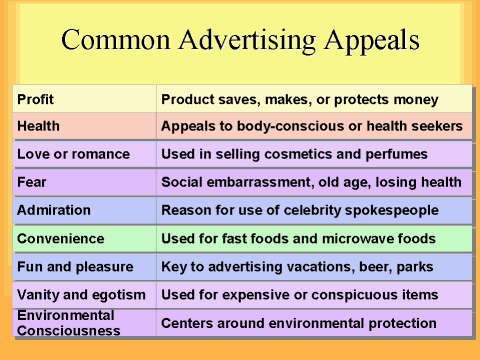 Chapter 16 was not directly assigned to us, however it was the next assignment on the syllabus. So, chapter 16 is largely about advertising and promotions. Advertising, as defined by our book is one-way mass communication about a product or organization that is paid for by a marketer. Advertising could be useful for our Smart Project. It is likely that the type of advertising we would use would be pioneering advertising. Pioneering advertising is a form of advertising designed to stimulate primary demand for a new product or product category. Our product is certainly a new product that does not have a direct competitor in our product category. It would be helpful for us to use this kind of advertising strategy in order to stimulate demand for our new product category. An advertising appeal is a reason for a person to buy a product. Common advertising appeals can be shown here on the right.